
Three-Waste Treatment and Clean Production in Colorant Manufacturing
Green Manufacturing & Sustainability | Technical-Focused
The environmental responsibility of colorant manufacturing goes beyond “water-based products”—it also lies in “clean manufacturing itself.” Pigment synthesis, grinding and dispersion, cleaning and filtration all generate wastewater, exhaust gas, and solid waste. Inadequate treatment not only violates regulations but also backfires on your supply chain—if a supplier has environmental incidents, you face supply interruptions. This article reviews the three-waste treatment and clean production of colorant manufacturers from a procurement perspective, helping to genuinely incorporate “green manufacturing” into supplier evaluations, embedding sustainability in every stage of manufacturing, and enhancing your supply chain resilience.
- Where Do the Three Wastes in Colorant Manufacturing Come From?
Wastewater comes from cleaning and process drainage, exhaust gas from grinding and solvents, and solid waste from filter residues and waste packaging. Weak treatment leads to high pollution and compliance risks. NAMEI has deployed three-waste treatment and clean processes at the manufacturing end, containing pollution within the plant. From a procurement perspective, a supplier’s treatment capability directly affects your supply security, turning green manufacturing from a slogan into an auditable on-site reality, and reducing the possibility of being affected by associated risks.
- Clean Production Is Superior to End-of-Pipe Treatment
Relying solely on end-of-pipe equipment to “patch holes” is costly and passive. True clean production reduces waste at the source: optimizing formulations to reduce hazardous waste, improving processes to lower consumption, and recycling water. NAMEI promotes source reduction through process optimization, making environmental protection more economical. Making clean production an evaluation criterion encourages suppliers to continuously improve, turning green from “compliance inspection response” into “inherent capability,” and using procurement choices to drive industry progress.
- Include Three-Waste Capability in Audits
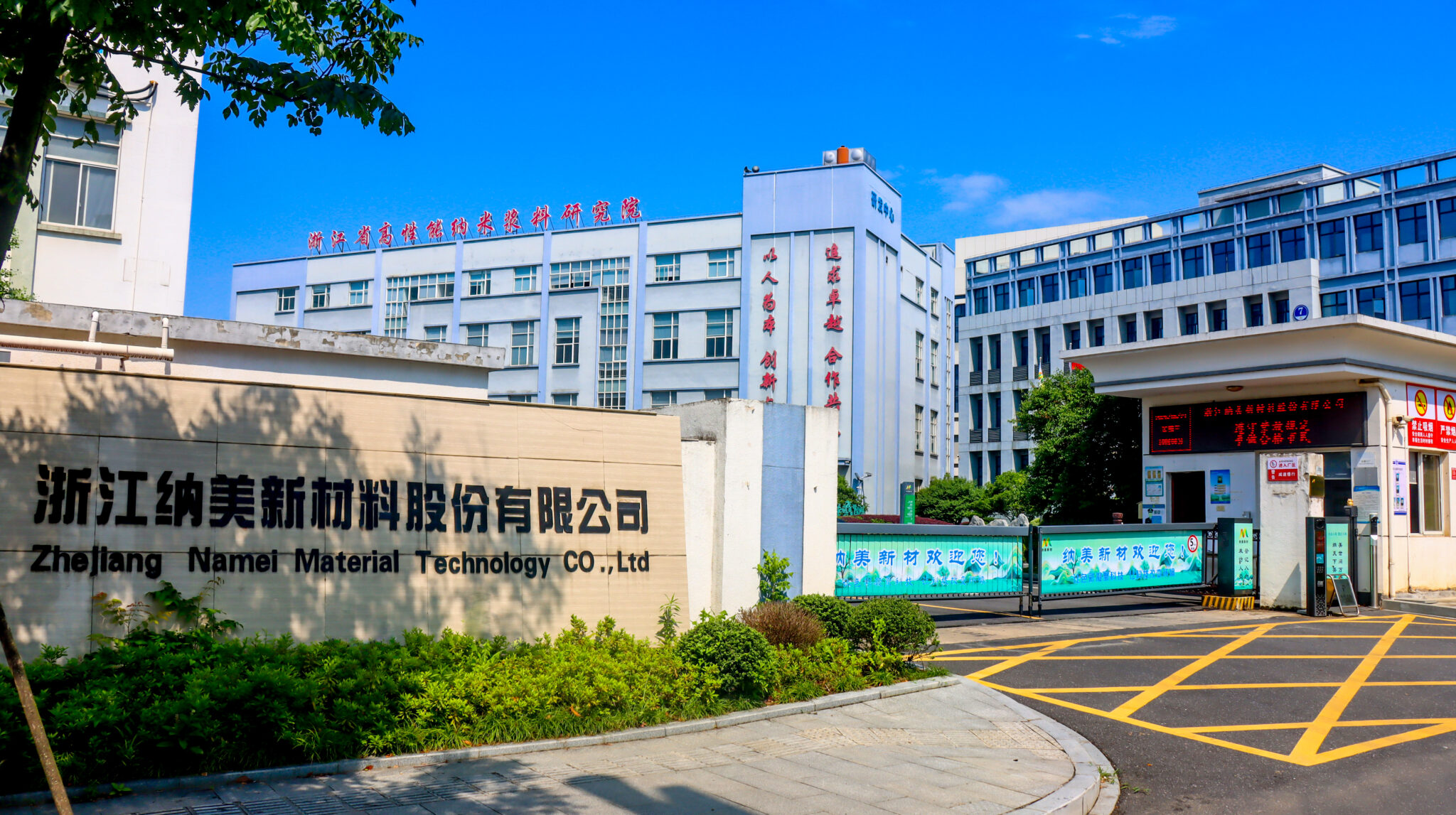
On-site audits should not only look at products but also inspect wastewater treatment, exhaust gas collection, and hazardous waste ledgers. NAMEI’s transparent site welcomes client verification, making treatment capabilities visible. Including three-waste management in audit checklists ensures that suppliers’ environmental commitments are verifiable, building green procurement on reality rather than brochures, and giving you hard evidence from upstream during client audits.
- Environmental Compliance Relates to Your Resilience
If a supplier faces environmental incidents leading to production curtailment or shutdown, you face supply disruption. Assess their environmental compliance and regional risks to avoid concentrating all sourcing in the same policy zone. NAMEI continuously invests in environmental compliance, reducing its own risk of curtailment and thereby lowering clients’ associated risks. Incorporating policy risk into supply evaluation is an increasingly important resilience metric, enabling choices that balance present and future sustainability.
- Water Recycling and Resource Recovery
Advanced companies recycle process water, reduce filter residue volume, and recover solvents, reducing waste while saving costs. NAMEI explores resource recycling practices, making manufacturing lighter. Using resource recovery capability as a bonus, procurement drives suppliers toward “near-zero waste,” aligning green with profitability, and providing measurable handles and visible results for sustainability on the manufacturing floor.
- Disclose Environmental Performance with Data
The ability to disclose environmental data (energy consumption, water usage, hazardous waste volume) is a sign of green maturity. NAMEI’s traceable and standardized management supports environmental data disclosure, allowing clients to see the green in their supply chain. Including data disclosure in cooperation turns green from a vague commitment into a trackable indicator, enabling seamless alignment and cross-verification of carbon and environmental management between upstream and downstream.
- Common Treatment Mistakes
Mistake 1: Asking only about product water-based properties without inquiring about manufacturing. Mistake 2: Not reviewing three-waste management in audits. Mistake 3: Overlooking supply risks from environmental compliance issues. Mistake 4: Emphasizing end-of-pipe over source reduction. Mark these four as red lines to avoid most “greenwashing” traps, ensuring green procurement looks at the entire manufacturing chain rather than only the final product’s environmental
Waterborne Pigments、Waterborne Colorant、Waterborne Pigment Dispersion、Color Paste、Pigment Paste、Water-Based Color Paste、Colorant Paste、Paste Coloring、Colorant Processing、Pigment Preparation、Colorant Blending、Pigment Dispersion、Colorant Preparation、Colorant Mixing、Water-Based Pigment dispersion、Water-Based Color Paste、liquid Color Paste、liquid Color Paste、liquid Colorant