
Frontier Trends & Future Technologies | Technology-Oriented
Introduction:
What is the biggest fear in colorant production? Not that it can’t be made, but that “this batch is different from the last.” Batch-to-batch fluctuations directly impact customers’ yield and color matching. The solution lies in smart manufacturing: automated production lines, in-line inspection, and data feedback loops that transfer quality control from human hands to systems.
- Why Consistency Is Critical
Batch color differences propagate to customer production lines, causing rework and complaints. NAMEI ensures consistency through smart manufacturing, making “every batch the same” a deliverable promise. - How Automation Reduces Fluctuation
Automated feeding, grinding, and metering reduce human error, with parameters that are controllable and traceable. NAMEI’s automated production lines minimize variability, ensuring that both capacity and quality improve together. - The Value of In-Line Inspection
Real-time measurement of color and particle size during production allows immediate correction of anomalies. NAMEI’s in-line inspection catches issues before they leave the factory, upgrading quality from “sampling-based” to “process-controlled.” - Data Feedback Loops Drive Improvement
Production data is fed back to continuously optimize processes and formulations. NAMEI’s data management makes manufacturing increasingly stable over time, turning experience into models. - What Consistency Means for Customers
Stable colorants enable higher first-pass matching success, better yield, and lower inventory costs. NAMEI’s consistency supports customer efficiency and cost reduction. - Responding to Small-Batch, High-Variety Demands
Smart manufacturing enables flexible production, maintaining stability even with diverse product lines. NAMEI’s flexible production lines support customers’ changing needs without sacrificing quality. - Common Manufacturing Misconceptions
Myth 1: Relying on master craftsmen to ensure quality. Myth 2: Using sampling instead of process control. Myth 3: Ignoring data. Myth 4: Prioritizing equipment over systems. Treat these as red lines for building smart manufacturing rationally. - Your Supplier’s Manufacturing Capability Is Your Assurance
A supplier’s level of automation and data integration determines whether you receive “stability” or “gambling.” NAMEI’s smart manufacturing serves as a reliable backbone for customers. - From Manufacturing to Smart Manufacturing
When equipment, inspection, and data are interconnected, colorant production shifts from “experience-driven” to “data-driven.” NAMEI’s smart manufacturing foundation supports this transition. - Conclusion: Making Stability the Default
The goal of smart manufacturing is to make “every batch the same” a default expectation. With automation reducing variability, in-line inspection preventing anomalies, and data feedback enabling continuous improvement, consistency becomes truly reliable. NAMEI turns stable delivery into a verifiable reality.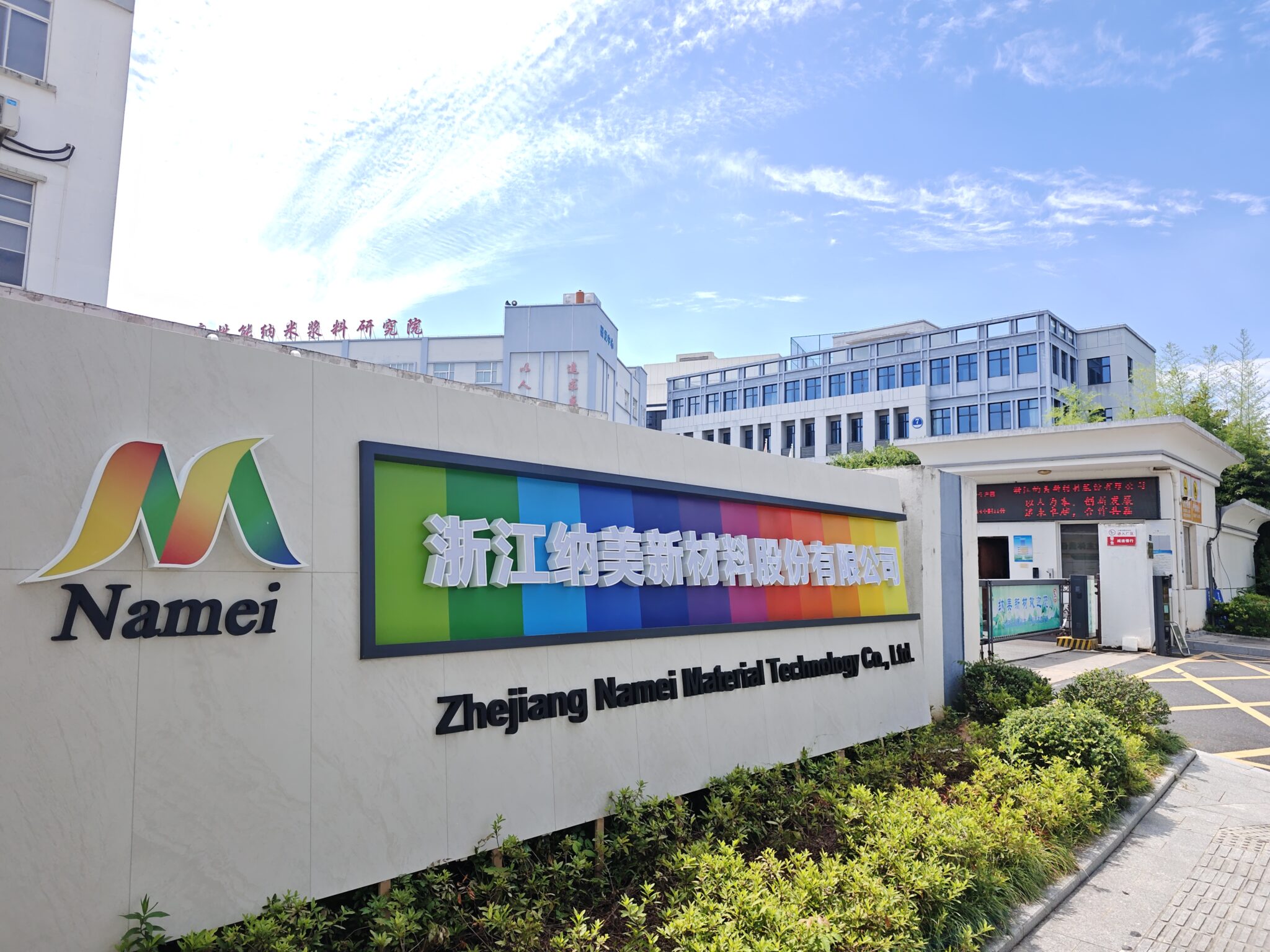
Key Takeaways
Automation and in-line inspection are the foundation of colorant consistency.
Data enables monitoring and correction of batch fluctuations.
NAMEI ensures stable delivery through smart manufacturing.
Consistency directly impacts customer yield.
FAQ
Q: Why is consistency so important?
A: Batch color differences lead to rework and customer complaints. NAMEI’s smart manufacturing ensures stability, improving customer yield and production planning.
Q: How does automation reduce fluctuation?
A: Automated feeding, grinding, and metering reduce human error, with controllable and traceable parameters, narrowing batch-to-batch differences.
Q: What is the value of in-line inspection?
A: Real-time color and particle size measurement allows immediate correction, upgrading quality control from sampling to process control.
Q: What role does the data feedback loop play?
A: Production data is fed back to optimize formulations, ensuring consistency even during capacity expansion.
Q: Why does supplier manufacturing capability matter?
A: It determines whether you receive stability or unpredictability. NAMEI’s smart manufacturing makes delivery predictable.
Supplementary Notes
To build smart manufacturing, we recommend treating automation, in-line inspection, and data feedback as an integrated system rather than purchasing equipment in isolation. Avoid prioritizing equipment over systems. Only when equipment, inspection, and data are interconnected can manufacturing truly transition from experience-driven to data-driven.
Waterborne Pigments、Waterborne Colorant、Waterborne Pigment Dispersion、Color Paste、Pigment Paste、Water-Based Color Paste、Colorant Paste、Paste Coloring、Colorant Processing、Pigment Preparation、Colorant Blending、Pigment Dispersion、Colorant Preparation、Colorant Mixing、Water-Based Pigment dispersion、Water-Based Color Paste、liquid Color Paste、liquid Color Paste、liquid Colorant