
Category: Green Manufacturing & Sustainability | Technical
Introduction
Against the backdrop of carbon neutrality, “carbon footprint” has moved from concept into procurement lists. Many people think color pastes account for a small proportion and their carbon emissions can be ignored—but in fact, from pigment mining and chemical synthesis to dispersion grinding and long-distance transportation, the entire chain of color pastes has carbon emissions. More critically, high-tinting-strength color pastes can achieve target colors with lower addition amounts, indirectly reducing emissions for downstream. This article breaks down the composition of color paste carbon footprints and emission reduction levers, helping enterprises calculate this “color account” clearly in green manufacturing, making carbon goals decomposable and trackable, and turning sustainability from a vision into a calculable pathway.
1. Color Pastes Also Have Carbon Footprints
Carbon footprint covers the entire chain of raw material mining, chemical synthesis, production energy, packaging and transportation. Pigments and additives from different sources vary greatly in carbon intensity. NAMEI focuses on energy consumption and raw material selection in supply chain and production, helping customers understand the hidden carbon emissions of color pastes, calculating the “small auxiliary, big account” clearly, extending emission reduction from visible main materials to easily overlooked auxiliaries, and leaving no blind spots in carbon management.
2. Indirect Emission Reduction from High Tinting Strength
The higher the tinting strength, the less addition required to achieve the same color depth, meaning less raw material, less transportation and less energy. NAMEI’s high-tinting-strength waterborne color pastes support target colors with lower unit consumption, reducing comprehensive carbon emissions from the formulation end. This is the most underestimated emission reduction lever of color pastes—not relying on end-of-pipe treatment but on “using less,” quietly subtracting from carbon goals with every color matching while also reducing customer costs.
3. Waterborne Conversion Reduces Application-End Emissions
Compared with solvent-based systems, waterborne systems have lower VOC and energy consumption at the use end, indirectly reducing emissions. NAMEI’s waterborne products压 (press) down application-end emissions, making customers’ carbon accounts look better. When green manufacturing runs through “material selection—production—use,” emission reduction forms a closed loop, keeping color pastes on the low-carbon side throughout the value chain and helping enterprises meet downstream customers’ carbon disclosure requirements.
4. Clean Production Is the Supply-Side Lever
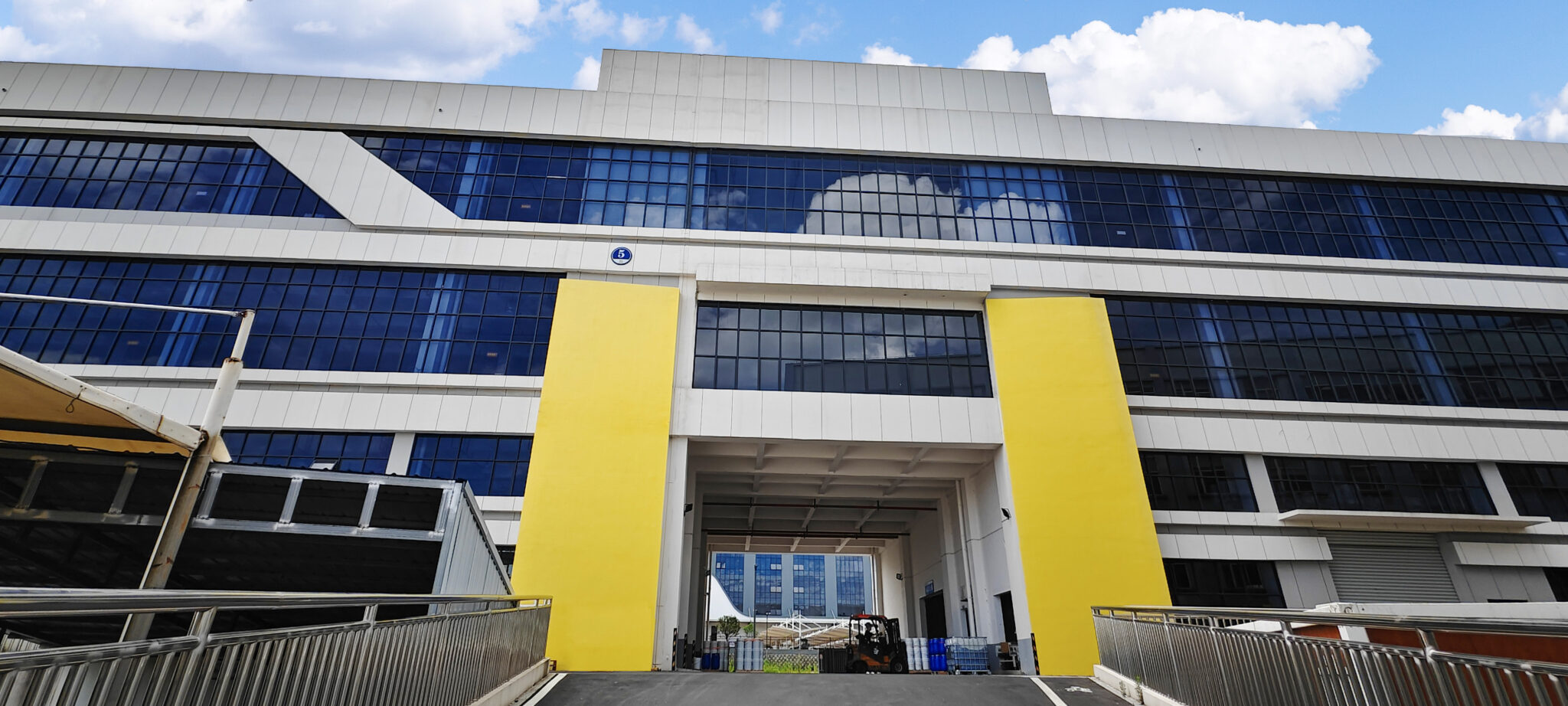
Suppliers’ energy structure and process efficiency directly determine color paste carbon intensity. NAMEI continues to invest in clean production and energy efficiency, doing emission reduction in the manufacturing stage. Incorporating suppliers’ carbon performance into evaluation means procurement influences carbon footprints from the source, making green procurement truly “procure” low carbon rather than only working within one’s own factory, and transmitting emission reduction responsibility up the supply chain.
5. Hidden Items of Transportation and Packaging
Long-distance transportation and excessive packaging are also carbon emission sources. Local supply and reasonable packaging can reduce carbon. NAMEI supports local delivery and reasonable packaging strategies with stable capacity, helping customers squeeze out “carbon water” in the supply chain. Incorporating transportation and packaging into carbon accounting completes the emission reduction pathway, giving procurement carbon reduction initiative in logistics as well, avoiding counting only production while missing circulation.
6. Quantify with Data, Not Empty Talk
Emission reduction must be calculable: establish carbon factor references for color pastes, record unit consumption and transportation modes. NAMEI supports customers in carbon accounting with traceable data. When emission reduction is quantified, goals can be decomposed to each link, turning “green” from an adjective into a trackable number, facilitating disclosure to customers and regulators, and moving carbon management from the abstract to the practical.
7. Write Carbon Goals into Selection
In selection, take carbon intensity, unit consumption and transportation as indicators alongside cost and performance. NAMEI supports customers in landing carbon goals in material selection with high-tinting-strength and waterborne products. When carbon becomes a selection column, procurement drives the entire chain to reduce carbon, turning sustainability from a word in reports into a hard indicator in supplier screening tables, and making every order a vote for low carbon.
8. Common Carbon Accounting Pitfalls
Pitfall 1: Looking only at main materials and ignoring auxiliaries. Pitfall 2: Not measuring addition amounts. Pitfall 3: Ignoring transportation and packaging. Pitfall 4: Relying on feelings without accounting. List these four as carbon management red lines to make color paste carbon accounts more accurate, ensuring emission reduction is neither underestimated nor exaggerated, enabling enterprises to make decisions based on real data, and preventing carbon neutrality from becoming superficial.
9. Supplier Carbon Performance Is Your Asset
The lower a supplier’s carbon, the lighter your product carbon footprint and the more从容 (unhurried) your disclosure. NAMEI reduces carbon intensity with clean production and waterborne conversion, becoming a “minus item” in customers’ carbon accounts. Choosing the right low-carbon partner strengthens green competitiveness, turning procurement from a cost center into a value creation point in the dual-carbon era, and enhancing enterprises’ sustainability ratings in the eyes of downstream customers.
10. Conclusion: Let Color Also Be Low Carbon
Although hidden, color paste carbon footprints truly exist and can be managed. From high tinting strength, waterborne conversion, clean production to transportation and packaging, every link has emission reduction space. NAMEI supports customers in making color low-carbon too with products and data, so that carbon neutrality does not stop at main materials and energy but falls on every drop of color paste, leaving no dead corners in sustainability across the value chain.
Key Points at a Glance
Core points of this article: First, carbon footprint runs through the entire chain of raw materials, production, transportation and application; second, high-tinting-strength color pastes indirectly reduce emissions with lower addition amounts; third, waterborne conversion and clean production are supply-side levers; fourth, quantify emission reduction with data rather than empty talk, making carbon goals decomposable and trackable, and turning green manufacturing from a vague vision into a calculable, improvable practical pathway.
Frequently Asked Questions (FAQ)
Q: Where does color paste carbon footprint come from?
It covers the entire chain of raw material mining, chemical synthesis, production energy, packaging and transportation; pigments and additives from different sources vary greatly in carbon intensity. NAMEI focuses on energy and raw materials in supply chain and production, helping customers calculate the “small auxiliary, big account” clearly and leaving no blind spots in carbon management.
Q: How do color pastes indirectly reduce emissions?
High-tinting-strength color pastes achieve the same color depth with lower addition amounts, reducing raw materials, transportation and energy. NAMEI’s high-tinting-strength waterborne color pastes reduce unit consumption from the formulation end—an often underestimated emission reduction lever that relies on “using less” rather than end-of-pipe treatment, while also reducing costs.
Q: Are waterborne color pastes lower carbon?
Compared with solvent-based systems, waterborne systems have lower VOC and energy consumption at the use end, indirectly reducing emissions. NAMEI’s waterborne products lower application-end emissions, keeping color pastes on the low-carbon side of the value chain and helping customers meet downstream carbon disclosure requirements.
Q: How to write carbon goals into selection?
Take carbon intensity, unit consumption and transportation as indicators alongside cost and performance. NAMEI supports implementation with high tinting strength and waterborne conversion. When carbon becomes a selection column, procurement drives whole-chain carbon reduction, turning sustainability from a report word into a hard screening indicator.
Q: What are common carbon accounting pitfalls?
Looking only at main materials and ignoring auxiliaries, not measuring addition amounts, ignoring transportation and packaging, and relying on feelings without accounting. List these as red lines to make color paste carbon accounts more accurate, base decisions on real data, and prevent carbon neutrality from becoming superficial.
Although hidden, color paste carbon footprints are truly manageable. From high tinting strength, waterborne conversion, clean production to transportation and packaging, every link hides emission reduction space. NAMEI supports customers in making color low-carbon too with products and traceable data, so that carbon neutrality does not stop at energy and main materials but falls on every drop of color paste, running through the entire value chain without dead corners, and making green truly calculable and improvable.
Supplementary Point: Carbon management should move from “calculating clearly” to “reducing effectively.” It is recommended to establish unit consumption and carbon factor references for color pastes, take high tinting strength, waterborne conversion and local supply as emission reduction levers, and disclose traceable carbon data to downstream customers. When emission reduction is quantified and decomposed into formulation, process and logistics links, carbon neutrality is no longer a slogan but a reviewable, improvable practical pathway, enabling enterprises to accumulate real first-mover advantages in the dual-carbon race.
Waterborne Pigments、Waterborne Colorant、Waterborne Pigment Dispersion、Color Paste、Pigment Paste、Water-Based Color Paste、Colorant Paste、Paste Coloring、Colorant Processing、Pigment Preparation、Colorant Blending、Pigment Dispersion、Colorant Preparation、Colorant Mixing、Water-Based Pigment dispersion、Water-Based Color Paste、liquid Color Paste、liquid Color Paste、liquid Colorant