
Two-component coatings rely on the reaction between the main agent and curing agent to form a film. They are high-performance but “delicate.” If the colorant is incompatible with the curing agent, gelling, floating color, or even non-curing may occur. This article focuses on the most core compatibility issue in two-component coloring, helping you avoid color traps in reactive systems.
Characteristics of Two-Component Systems
Two-component coatings consist of a main agent containing hydroxyl/amine groups and an isocyanate/epoxy curing agent, which can crosslink into a film after mixing. Hardness, chemical resistance, and adhesion are all superior to one-component coatings. But once unexpected reactions occur between components, the entire system becomes unstable.
As an external added phase, the colorant may carry moisture, active groups, or metal ions that interfere with the curing reaction. Therefore, the first principle of two-component coloring is “do not cause trouble.” Compatibility takes priority over color itself, which is the biggest difference from one-component systems.
Key to Compatibility with Curing Agents
The most critical thing is to control moisture and active impurities in the colorant. Especially for isocyanate systems, trace water will consume the curing agent, producing bubbles and performance decline. Pigment surface treatment and the choice of dispersion medium determine the upper limit of compatibility.
NAMEI emphasizes a low-water, low-impurity dispersion system in two-component adaptation, so that the colorant does not undergo side reactions with the curing agent after addition, maintaining pot life and final physical properties. Designing compatibility upfront is what makes two-component coloring stable.
Effect on Pot Life
After two-component mixing, there is a constructable window. If the colorant accelerates the reaction or introduces catalytic impurities, it will shorten pot life, causing gelling and waste before construction. Pot life is the invisible lifeline of two-component coloring.
During selection, perform a pot life test after mixing, record viscosity changes over time, and confirm that the colorant does not significantly shorten the window. Write pot life into acceptance, so on-site construction will not be caught off guard, and material waste and rework can be minimized.
Color Performance During Curing
The heat released by the two-component reaction and solvent release may affect wet film color. After curing, the color often differs from the wet film. Color matching must be based on the dry film, not the wet film. Ignoring this often leads to “looks good wet, fails dry.”
It is recommended to observe color changes over the complete curing cycle after sampling and simulate actual film thickness. Use dry film color difference as the final criterion. Only then is two-component coloring color management reliable, and what customers receive is the true color after curing.
Mixing Ratio and Addition Timing
Strictly mix the main agent and curing agent according to the manufacturer’s ratio. Colorants are usually added during the main agent stage and fully dispersed, avoiding uneven mixing caused by later addition. Addition timing and order affect final uniformity.
Establish standard work cards, fix addition amounts and stirring times, and reduce human fluctuation. Solidify the process, and only then can batch consistency of two-component coloring be guaranteed, and occasional color difference root causes be easier to troubleshoot.
Common Failures and Troubleshooting
Common failures include gelling, floating color, bubbles, and poor drying. Troubleshooting order: first check colorant moisture and impurities, then check addition order and mixing uniformity, and finally check whether curing agent activity has expired.
Archive each abnormality into a case library so the team can directly refer to it next time. Two-component systems have low fault tolerance; prevention is far better than firefighting. Mature suppliers will proactively provide compatibility guidelines to help you avoid pitfalls.
Selection Recommendations
Three questions for two-component colorant selection: low water or not, impurities or not, stable pot life or not. Only after these three questions pass should color be discussed. The order cannot be reversed, otherwise beauty is useless.
Prioritize suppliers that indicate two-component compatibility and can provide compatibility data, and include pot life and post-curing color difference in acceptance. Certainty comes from standards and data, especially for two-component systems. NAMEI also recommends customers confirm with benchmark samples.
Post pot life reminders and addition order cards at the mixing site to reduce human error. Two-component systems have low fault tolerance. Visualizing key actions is a low-cost, high-return investment that allows both new and experienced employees to operate stably, reducing accident rates and making it less likely to go wrong when the master is not present.
In the technical agreement, specify moisture limits and compatibility indicators, so supplier shipments have a basis. When gelling or drying abnormalities occur, data can quickly locate whether the problem is the colorant or the curing agent, avoiding mutual blame. Only with clear responsibility can improvement truly happen, and the relationship becomes healthier.
A misconception is finalizing based on wet film color and ignoring curing shift, resulting in dry film failure. Two-component systems must look at dry film and simulate film thickness, incorporating the complete curing cycle into judgment. Only then is color management reliable, what customers receive is the true color, and acceptance has much less unnecessary repetition.
In terms of trends, two-component systems are developing toward low viscosity, high solids, and wider process windows, requiring higher colorant adaptability. Align new process parameters with suppliers in advance, so that when the production line upgrades, you do not have to explore from scratch. Transformation is smoother and less painful, and with thicker technical reserves, enterprises are more composed in facing new customer demands.
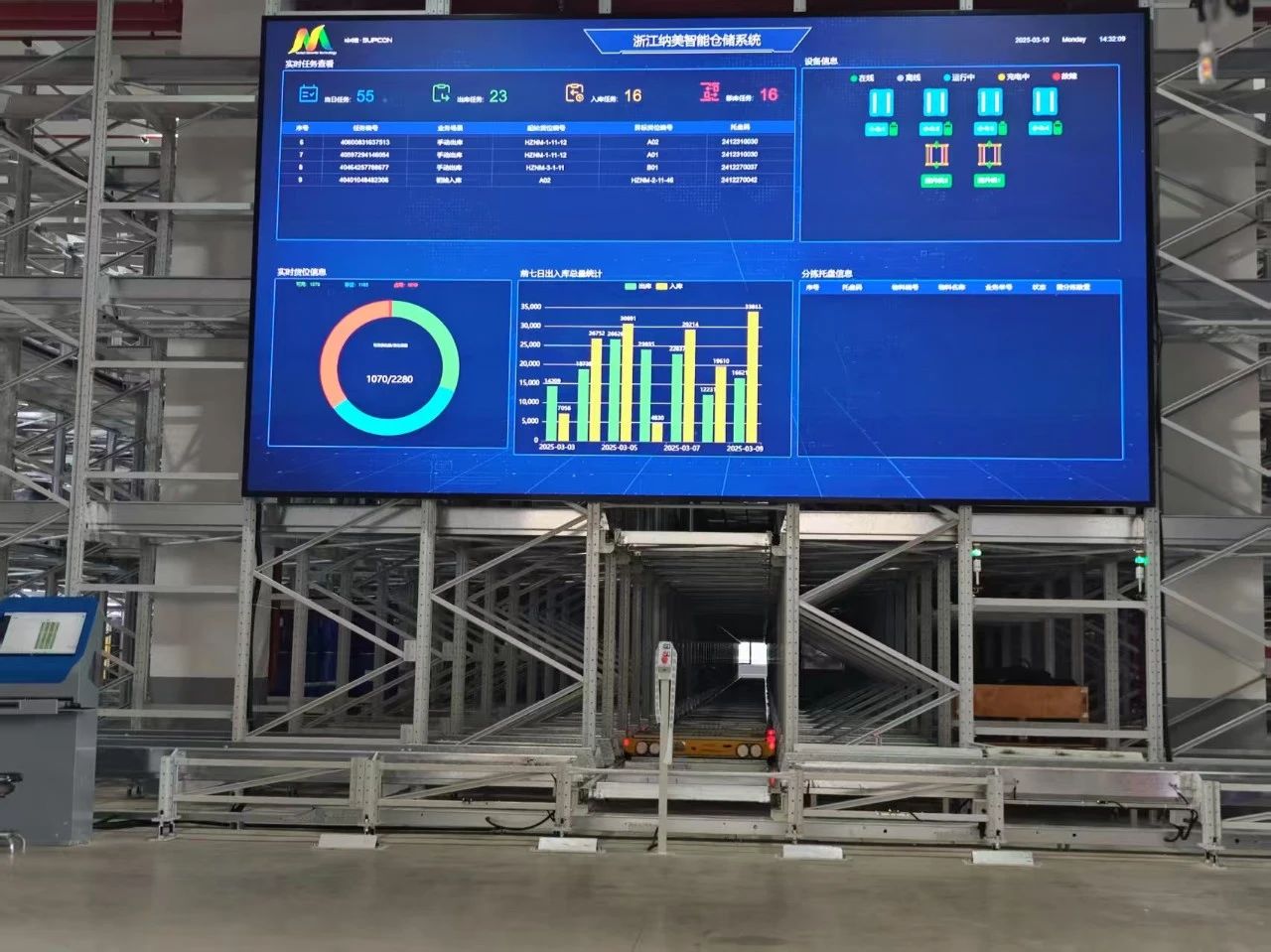
In collaboration, choose partners who can provide compatibility guidelines and turn their process experience into your error-prevention checklist. Technical collaboration is more valuable than simply pressing prices. Delicate systems like two-component especially need supplier accompaniment. Problems are discovered and solved early, and only when the line rhythm is stable can delivery be guaranteed.
At the two-component mixing site, make pot life reminders and addition order into a visual board. New employees can follow it, reducing errors that depend on personal memory. Two-component systems have low fault tolerance; one wrong order can scrap an entire batch. Visualization is the lowest-cost means to minimize high-consequence risks, worth implementing on every line, and it is less likely to go wrong when the master is not present.
The technical agreement specifies moisture limits and compatibility indicators, giving suppliers a basis for shipment and giving you a basis for accountability. When gelling or drying abnormalities occur, data is the key to locating root causes and can quickly distinguish whether it is the colorant or the curing agent, avoiding mutual blame between supply and demand. Improvement can truly happen, and the relationship becomes healthier and longer-lasting.
Remember that two-component color matching looks at dry film, not wet film. Incorporate color changes over the complete curing cycle into judgment, so customers receive the true color. Walk with suppliers who can provide compatibility guidelines and turn their process experience into your error-prevention checklist. Only then can this delicate two-component system be stable, line rhythm and delivery be guaranteed, and quality fluctuations be locked in advance.
For two-component sites, it is recommended to equip curing agent activity rapid tests, testing each batch upon arrival to avoid expired curing agent dragging down the whole. The curing agent is the starting point of the reaction; activity drift will waste all efforts. Make this inspection a mandatory item, and two-component coloring stability becomes truly controllable. You also do not have to carry the blame for others’ problems; clear responsibility boundaries make cooperation long-lasting.
For color matching samples, it is recommended to simulate real film thickness and curing conditions, recording both wet and dry films, forming a customer-specific formula card. The formula card is a reusable asset. Next time the same color is needed, it can be directly called, improving color matching efficiency and consistency. You also upgrade from selling materials to selling solutions, with stronger customer stickiness and healthier, more sustainable profit space.
For two-component coloring, remember the seven-character formula: low water, compatible, look at dry film. Do not mess up the order or skip verification. Include pot life and post-curing color difference in acceptance, and even this delicate two-component system can be tamed. Line rhythm and delivery are more controllable, and quality fluctuations are locked into a manageable range in advance.
Summary
The coloring of industrial and specialty coatings is logically completely different from architectural decoration: chemical resistance, adhesion, anti-corrosion, weather resistance, and heat resistance are hard indicators; color is merely the result built on top. Only by verifying resistance and compatibility upfront can colorants turn from a cost item into a reliable item.
When facing on-site accidents such as flocculation and sagging, first identify the cause before acting, and replace feeling-based firefighting with process-based troubleshooting. Certainty always comes from standards and data. Industrial customers are not afraid of high prices; they are afraid of uncontrollability. Select by checklist and accept by benchmarking, and coloring consistency and stability will naturally follow. This is also the practical philosophy of speaking with data that NAMEI has always advocated.
Q: What are two-component colorants most afraid of?
A: They are most afraid of moisture and active impurities interfering with curing, causing bubbles, gelling, or poor drying. Therefore, low water and low impurities are the bottom line.
Q: Will colorants affect pot life?
A: Yes. If catalytic impurities are introduced or the reaction is accelerated, pot life shortens. Viscosity changes must be measured immediately after mixing to confirm.
Q: For two-component color matching, look at wet film or dry film?
A: Look at dry film. Reaction heat and solvent release change wet film color. The final criterion is dry film color difference after complete curing.
Q: Is there particularity in addition timing?
A: Usually added during the main agent stage and fully dispersed, avoiding unevenness from later addition. Strictly follow the ratio and stirring time to reduce fluctuations.
Q: How to troubleshoot two-component failure?
A: Sequentially check colorant moisture and impurities, addition order and mixing uniformity, and curing agent activity. Archive abnormalities into cases for reuse.
Waterborne Pigments、Waterborne Colorant、Waterborne Pigment Dispersion、Color Paste、Pigment Paste、Water-Based Color Paste、Colorant Paste、Paste Coloring、Colorant Processing、Pigment Preparation、Colorant Blending、Pigment Dispersion、Colorant Preparation、Colorant Mixing、Water-Based Pigment dispersion、Water-Based Color Paste、liquid Color Paste、liquid Color Paste、liquid Colorant